
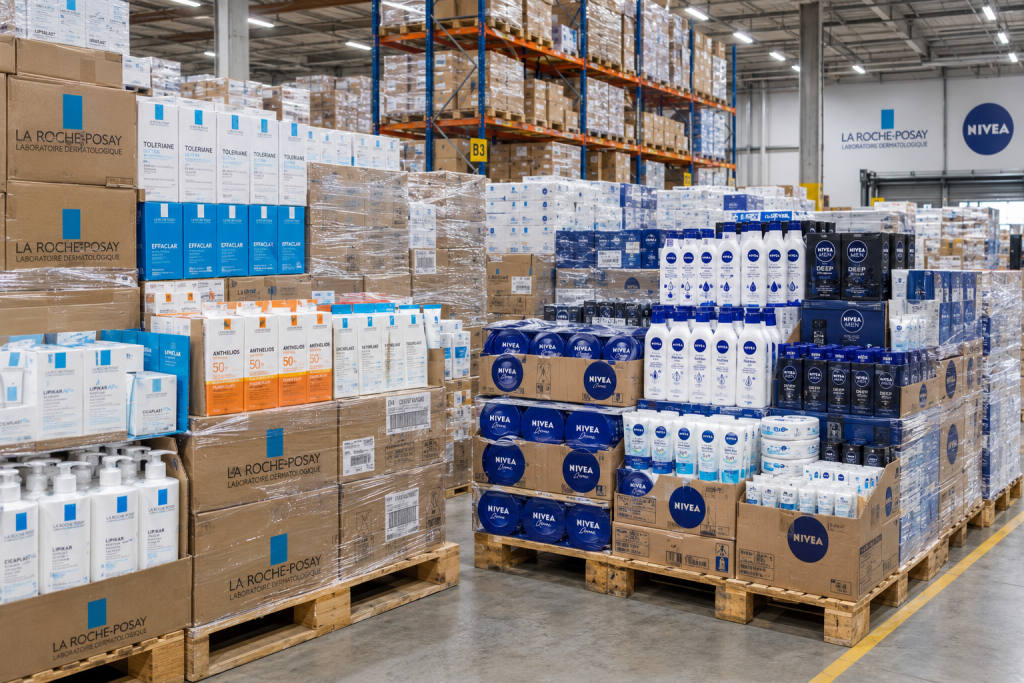
Bulk Skincare: Wholesale Skin Care Products for Retailers and Personal Care Distributors
Buying bulk skincare can be an effective sourcing strategy for retailers, beauty stores, online sellers, pharmacies, salons, distributors, and other businesses that need a consistent supply of personal care merchandise. Instead of purchasing products individually at retail quantities, commercial buyers can work with wholesale suppliers to source larger quantities and build a product range suited to their customers.
The global beauty and personal care market includes thousands of products across facial skincare, body care, haircare, cleansing, moisturizing, grooming, and other categories. For businesses, the challenge is not simply finding products. It is finding reliable suppliers, understanding wholesale purchasing terms, checking product information, managing inventory, and calculating the true cost of bringing products to market.
This is where wholesale skin care products and professional sourcing relationships can become important.
Sincare Cosmetics Products B.V. provides a potential sourcing option for businesses looking for beauty and personal care products. Buyers can explore available products, request commercial information, and determine whether the company’s assortment matches their purchasing requirements.
Whether you are searching for bulk skincare, skin care suppliers, personal care products wholesale suppliers, or personal care product distributors, this guide explains the key factors to consider before placing a commercial order.
Table of Contents
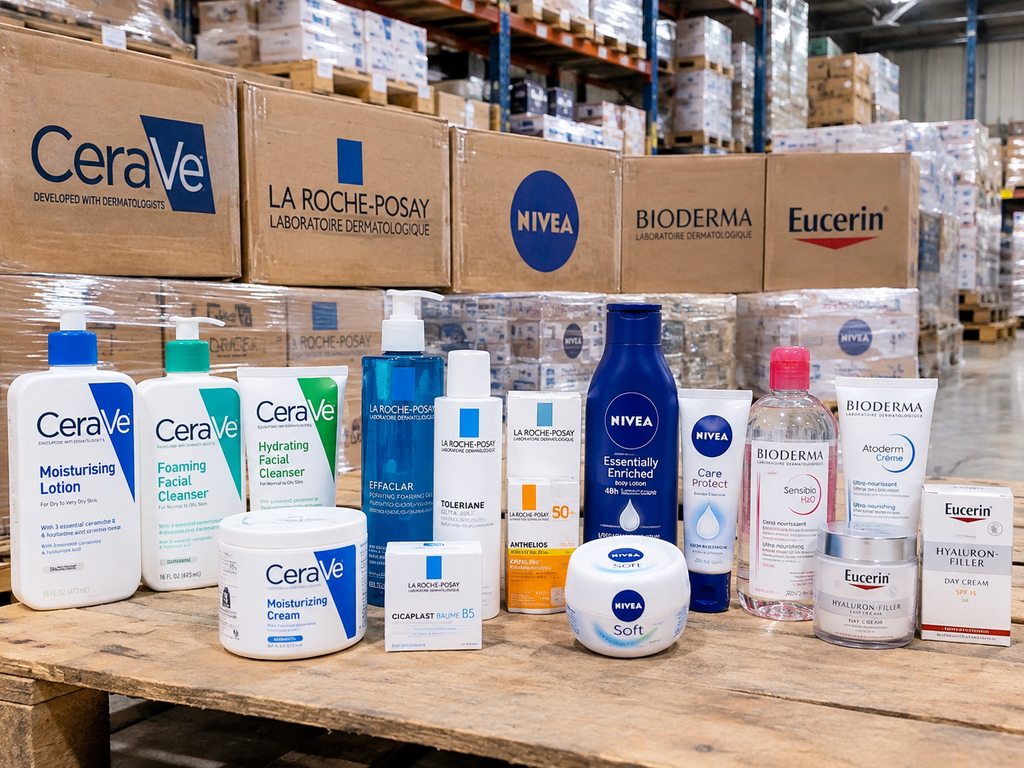
- What Is Bulk Skincare?
- Why Businesses Buy Wholesale Skin Care Products
- Types of Bulk Skincare Products
- Personal Care Products Wholesale Suppliers
- Personal Care Product Distributors
- How to Choose Skin Care Suppliers
- Benefits of Buying Skincare in Bulk
- How to Calculate the True Wholesale Cost
- Managing Bulk Skincare Inventory
- Packaging, Shelf Life, and Storage
- Building a Wholesale Personal Care Product Range
- Why Choose Sincare Cosmetics Products B.V.?
- Ten Related Product and Brand Links
- Frequently Asked Questions About Skin Care
- Conclusion
1. What Is Bulk Skincare?
Bulk skincare refers to purchasing skincare products in larger commercial quantities for resale, distribution, retail, or other business purposes.
A bulk order might include multiple cartons of one product or a mixed selection of skincare products. The exact minimum order quantity depends on the supplier, brand, product, availability, and commercial agreement.
Typical bulk skincare categories include:
- Facial cleansers
- Facial moisturizers
- Serums
- Face creams
- Body lotions
- Body creams
- Facial masks
- Hand creams
- Cleansing products
- Sun-care products
- Beauty and personal care products
Bulk purchasing is particularly relevant for businesses that already have established customers or sales channels.
For example, an online beauty retailer may need regular inventory of popular products, while a distributor may purchase larger quantities to supply multiple smaller retailers.
The objective should not simply be to purchase the largest possible quantity. Businesses should purchase quantities that make sense for expected demand, available capital, storage capacity, and product shelf life. Skin care suppliers
2. Why Businesses Buy Wholesale Skin Care Products
Wholesale skin care products can provide businesses with a structured way to source merchandise for resale.
One important advantage is purchasing efficiency. Rather than contacting different retail stores for individual products, a commercial buyer can establish a relationship with a supplier capable of handling larger orders.
Potential benefits include:
Commercial pricing: Wholesale orders may provide different pricing from consumer retail purchases, particularly when quantities increase.
Product availability: Establishing a supplier relationship may make regular replenishment easier.
Product variety: Buyers can develop an assortment containing different skincare categories.
Inventory planning: Businesses can schedule purchases around expected sales and seasonal demand.
Distribution opportunities: Larger buyers may resell products to smaller retailers, beauty businesses, or other commercial customers.
However, buyers should avoid assuming that wholesale always means the lowest possible cost. A product’s final cost depends on price, quantity, freight, insurance, taxes, customs, storage, payment costs, and other expenses.
A good purchasing decision considers the complete commercial picture.
3. Types of Bulk Skincare Products
The right bulk skincare assortment depends on the target customer.
Facial cleansers
Cleansers are commonly used as part of everyday skincare routines. Wholesale buyers may consider different formats, including cleansing gels, foaming cleansers, cleansing lotions, and other facial cleansing products.
A retailer may choose several types to accommodate different customer preferences.
Moisturizers
Moisturizers can include lightweight facial creams, richer creams, lotions, and other moisturizing products.
When sourcing moisturizers, businesses should examine the intended skin type, product claims, ingredients, size, packaging, and market requirements.
Serums
Serums are another important category for beauty retailers.
Products may be marketed around ingredients such as vitamin C, niacinamide, hyaluronic acid, or other cosmetic ingredients.
Commercial buyers should verify product descriptions and applicable labeling requirements before listing products for sale.
Body care
Body lotions, creams, hand creams, and related products can complement a facial skincare assortment.
Adding body-care products may allow retailers to increase the number of personal care categories available to customers.
Sun care
Sunscreen and other sun-care products can be commercially important, but buyers should pay particular attention to local regulations.
Requirements for sunscreen classification, claims, ingredients, labeling, and registration can differ between countries.
4. Personal Care Products Wholesale Suppliers
Personal care products wholesale suppliers serve businesses that need more than facial skincare.
The personal care category can include:
- Skincare
- Haircare
- Body care
- Bath products
- Deodorants
- Cleansing products
- Hair treatments
- Grooming products
- Beauty products
Working with a supplier offering complementary categories can make procurement more convenient.
For example, a retailer that sells skincare may also need shampoo, conditioner, body lotion, and other personal care products.
Instead of managing numerous small purchasing relationships, a business may prefer a supplier that can provide several related product categories.
Nevertheless, product authenticity, availability, commercial terms, and regulatory requirements should remain central to the purchasing decision.
5. Personal Care Product Distributors
Personal care product distributors can operate between manufacturers, suppliers, retailers, and other commercial buyers.
A distributor may purchase products in significant quantities and make them available to businesses in specific markets or channels.
Retailers may work with distributors because they need:
- Regular product supply
- Commercial quantities
- Multiple product categories
- Product information
- Order coordination
- Logistics support
The exact services offered by distributors differ.
When evaluating a personal care product distributor, buyers should ask about minimum order quantities, available brands, product documentation, stock levels, delivery schedules, payment terms, and geographical coverage.
International buyers should also establish who is responsible for export documentation, freight, customs clearance, duties, and destination-country compliance.
6. How to Choose Skin Care Suppliers
Finding suitable skin care suppliers requires more than searching for the cheapest quotation.
A supplier should be evaluated according to the requirements of your business.
Product authenticity
For branded skincare, buyers should establish the source of the products and request appropriate commercial documentation when necessary.
Authenticity is particularly important when products are being resold under recognizable brand names.
Product availability
Ask whether products are currently available and whether the supplier can replenish them when stock is sold.
A product that is inexpensive but frequently unavailable may create problems for retailers trying to maintain consistent inventory.
Minimum order quantities
Check the MOQ before placing an order.
Some suppliers may require minimum quantities per product, while others may establish minimum values for the entire order.
Product condition
Commercial buyers should understand how products are packaged and protected during storage and transportation.
Ask about cartons, pallets, protective packaging, and procedures for handling damaged shipments.
Shelf life
Where applicable, request information about batch numbers, expiration dates, best-before dates, or remaining shelf life.
This is especially important when ordering large quantities.
Shipping
Shipping can significantly influence the final cost of bulk skincare.
Request information about delivery terms, freight arrangements, estimated transit times, insurance, and any responsibilities associated with customs.
7. Benefits of Buying Skincare in Bulk
Buying skincare in bulk can make sense when a business has predictable demand.
Lower purchasing frequency
A larger order may reduce the number of individual purchasing cycles required throughout the year.
Potential volume pricing
Suppliers may offer different prices depending on order quantity. Always request the pricing structure rather than assuming a particular discount applies.
Better inventory availability
Maintaining sufficient stock can help retailers fulfill customer orders without repeatedly waiting for replenishment.
Wider product selection
Businesses can use wholesale purchasing to develop a broader assortment of facial skincare, body care, and complementary personal care products.
Opportunities for distribution
Larger commercial orders may allow buyers to resell products through multiple channels.
However, bulk buying also creates responsibilities. More inventory requires more capital, storage space, organization, and demand forecasting.
The best order size is therefore not necessarily the largest order. It is the quantity that matches realistic business demand.
8. How to Calculate the True Wholesale Cost
A common mistake when buying bulk skincare is focusing only on the supplier’s unit price.
A more useful calculation is the landed cost.
A simple calculation can include:
Product cost + freight + insurance + customs/duties + taxes + clearance + local transportation = approximate landed cost
For example, suppose a business purchases 1,000 units of skincare.
The quoted unit price may look attractive, but the buyer still needs to consider shipping and other import-related expenses.
The business can then calculate:
Total landed cost ÷ number of sellable units = approximate cost per unit
This gives the buyer a more realistic basis for comparing suppliers.
Other expenses may include warehouse storage, payment processing, damaged units, marketing, labeling, and local distribution.
Businesses should also compare suppliers on service and reliability, not just price.
9. Managing Bulk Skincare Inventory
Once bulk skincare products arrive, proper inventory management becomes important.
Record incoming products
Record:
- Product name
- Brand
- SKU
- Quantity
- Batch information
- Relevant date information
- Supplier
- Purchase date
These details make future stock management easier.
Use organized storage
Keep products arranged so that staff can quickly identify different products and batches.
Monitor fast-moving products
Sales data can show which products require more frequent replenishment.
Avoid excessive inventory
Large quantities may appear attractive because of volume pricing, but slow-moving inventory can tie up business capital.
Track products by batch
Batch tracking can help businesses respond more efficiently to product queries or supplier communications.
A good inventory system can make bulk purchasing much more manageable.
10. Packaging, Shelf Life, and Storage
Packaging is an important consideration when purchasing wholesale skincare.
Products may be supplied individually, in cartons, or on pallets depending on the order.
Before purchasing, ask:
- How many units are in each carton?
- How many cartons are on each pallet?
- What are the carton dimensions?
- What is the gross weight?
- How should the products be stored?
- What is the remaining shelf life?
- Are products protected against damage during transport?
Storage conditions should follow the manufacturer’s recommendations.
Many cosmetic and personal care products should be protected from excessive heat, direct sunlight, moisture, and other unsuitable environmental conditions.
Businesses importing products into hot climates should pay particular attention to warehouse conditions and transportation arrangements.
11. Building a Wholesale Personal Care Product Range
A successful product range should be based on customer demand.
Start with core skincare
Consider products that fit everyday routines, such as cleansers, moisturizers, body lotions, and other widely used personal care items.
Add complementary categories
Once the core range is established, consider related categories such as haircare and body care.
This can allow customers to purchase several types of personal care products from the same business.
Offer different price points
A retailer may choose products across several price levels rather than concentrating exclusively on premium or budget products.
Analyze customer demand
Monitor which products sell quickly and which remain in storage.
Sales information can help determine future wholesale purchasing quantities.
Reorder strategically
Rather than automatically repeating the same order, adjust quantities based on actual sales performance.
This approach can help reduce excess stock and improve cash-flow management.
12. Why Choose Sincare Cosmetics Products B.V.?
Businesses searching for bulk skincare, wholesale skin care products, and personal care products can evaluate Sincare Cosmetics Products B.V. according to their specific purchasing requirements.
The company’s website provides access to product and brand-related pages that can help commercial buyers explore available categories.
When considering a supplier relationship, buyers should:
Review the available range
Look through the supplier’s website and identify products that fit your target market.
Request current pricing
Wholesale prices can vary according to quantity, availability, brand, and commercial conditions. Request a current quotation for your exact order.
Confirm stock
Before making payment, confirm that the requested products and quantities are available.
Discuss delivery
International buyers should confirm delivery arrangements, shipping terms, documentation, and responsibilities for customs and import procedures.
Verify product information
Confirm product size, packaging, batch information, shelf life where applicable, and any documentation needed for resale.
Plan your order carefully
Give the supplier your expected quantities and destination so the commercial quotation can be prepared accurately.
Sincare Cosmetics Products B.V. can therefore be considered as one potential sourcing option for businesses researching wholesale beauty and personal care products.
13. Ten Related Product and Brand Links
Below are 10 internal Sincare Cosmetics Products B.V. links relevant to bulk purchasing and the broader beauty and personal care category:
- Neutrogena Wholesale Distributor
- Benefit Cosmetics for Sale – Wholesale Price
- Moroccanoil Wholesale Distributor
- TIGI Shampoo Wholesale
- Head & Shoulders in Bulk – Wholesale Distributor Europe
- Kérastase Haircare in Bulk – Wholesale Price
- Redken Products for Sale – Wholesale Price
- L’Oréal Haircare Wholesale Distributors
- Schwarzkopf Wholesale Distributor
- Sincare Cosmetics Products B.V.
These pages cover skincare, haircare, cosmetics, and related personal care categories. Buyers should confirm current product availability and wholesale terms directly before ordering.
14. Frequently Asked Questions About Skin Care
What is bulk skincare?
Bulk skincare means purchasing skincare products in commercial quantities for resale, distribution, retail, or business use. Quantities and minimum orders vary by supplier and product.
Why buy wholesale skin care products?
Wholesale purchasing can help businesses source larger quantities, organize inventory, potentially access volume pricing, and develop a broader retail product range.
Who buys bulk skincare?
Retailers, online stores, pharmacies, beauty shops, salons, distributors, importers, and other commercial businesses may purchase skincare in bulk.
How do I find reliable skin care suppliers?
Compare suppliers based on product authenticity, availability, pricing, minimum order quantities, shelf life, documentation, shipping arrangements, and communication.
What should I ask a skincare supplier before ordering?
Ask about current stock, product specifications, minimum order quantities, unit and carton pricing, batch information, shelf life, payment terms, shipping, and relevant documentation.
Are wholesale skincare products cheaper?
Wholesale products may have lower unit pricing than retail purchases, particularly at larger quantities, but the final cost depends on freight, taxes, customs, and other expenses.
What are personal care products wholesale suppliers?
These are commercial suppliers that provide personal care products to businesses in wholesale quantities. Their ranges may include skincare, haircare, body care, hygiene, and beauty products.
What are personal care product distributors?
Personal care product distributors supply products to retailers and other businesses, often in commercial quantities. Their specific services and distribution areas vary.
How much bulk skincare should I buy?
Order quantities should be based on expected demand, available capital, storage capacity, product shelf life, and supplier minimum order requirements.
How should bulk skincare be stored?
Follow the manufacturer’s storage instructions and protect products from unsuitable temperatures, direct sunlight, moisture, and other damaging conditions.
Can I import wholesale skincare internationally?
International importing is possible in many cases, but requirements vary by destination. Buyers should check cosmetic regulations, labeling, customs, product notification or registration requirements, and other applicable rules.
What is the difference between bulk and wholesale skincare?
The terms are often used interchangeably, but “bulk” generally emphasizes quantity while “wholesale” emphasizes commercial purchasing for resale or distribution. The exact meaning can vary between suppliers.
Should I buy different skincare brands from one supplier?
Using one supplier can simplify procurement when the supplier has a suitable product range. However, buyers should compare availability, pricing, authenticity, and commercial terms before consolidating purchases.
How can I reduce the risks of buying skincare in bulk?
Start with realistic quantities, verify product information, check shelf life, calculate landed costs, confirm supplier terms in writing, and avoid purchasing more inventory than your sales channels can reasonably absorb.
15. Conclusion
Bulk skincare can provide retailers, distributors, importers, online stores, and beauty businesses with a practical way to source larger quantities of skincare and personal care merchandise.
The key is to approach wholesale purchasing strategically.
Before ordering wholesale skin care products, evaluate the supplier, product authenticity, pricing, MOQ, stock availability, packaging, shelf life, shipping, and destination-market requirements. Calculate the complete landed cost rather than comparing supplier prices alone.
Businesses looking for skin care suppliers, personal care products wholesale suppliers, and personal care product distributors can explore Sincare Cosmetics Products B.V. and review its available product and brand pages.
A carefully selected product range, combined with disciplined inventory management and realistic demand forecasting, can help businesses manage bulk purchasing more effectively.
For commercial buyers, the goal should be to create a reliable sourcing process that connects the right products with the right customers at sustainable quantities and costs.