
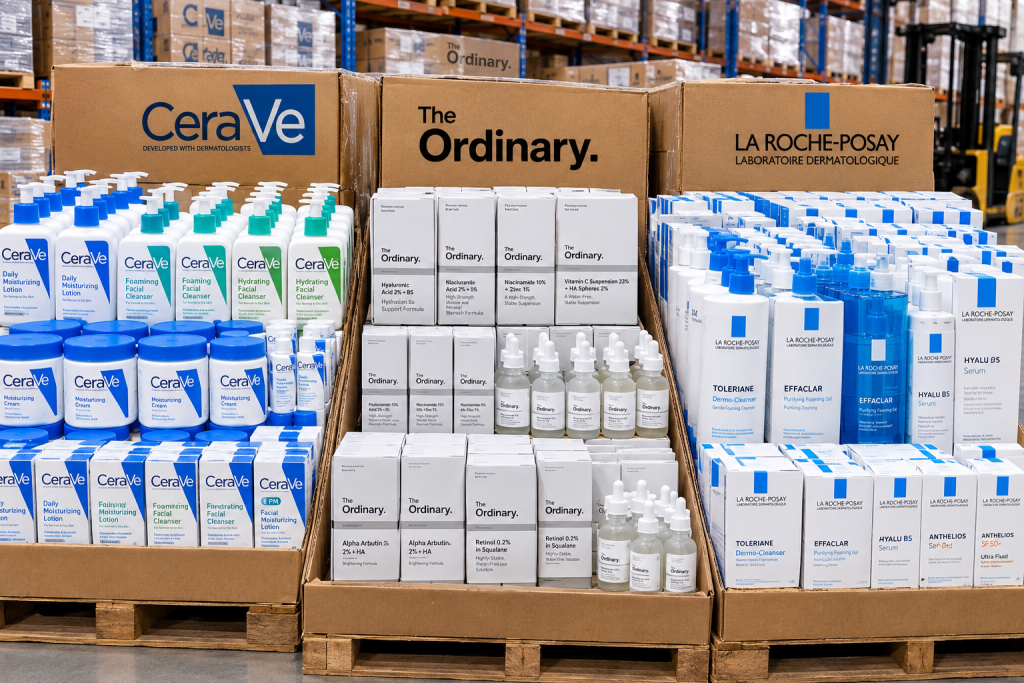
Skin Care Suppliers: Wholesale Skin Care Products and Bulk Personal Care Items
Finding reliable skin care suppliers is an important step for retailers, beauty stores, pharmacies, online sellers, salons, and personal care distributors looking to build a profitable business. As customers continue to seek skincare products for cleansing, hydration, brightening, and everyday skin maintenance, businesses need dependable sourcing options that meet their product, pricing, and inventory requirements.
Working with wholesale skin care suppliers can help businesses purchase products in larger quantities, organize stock more efficiently, and serve different customer groups. Whether you operate a beauty shop, manage an online store, or supply other retailers, choosing the right supplier can make a difference in your purchasing process and long-term business planning.
Sincare Cosmetics Products B.V. is a name to consider when exploring wholesale beauty and personal care sourcing. Businesses looking for wholesale skin care products, bulk personal care items, and wholesale personal care products should evaluate product availability, authenticity documentation, minimum order quantities, shipping arrangements, and commercial terms before placing an order.
This guide explains how to find skin care suppliers, select suitable products, manage bulk purchases, and develop a personal care product assortment for your business.
Table of Contents
- What Are Skin Care Suppliers?
- Why Wholesale Skin Care Products Matter
- Types of Wholesale Skin Care Products
- Bulk Personal Care Items for Retail Businesses
- Wholesale Personal Care Products for Different Markets
- How to Choose Reliable Skin Care Suppliers
- Benefits of Buying Skin Care Products in Bulk
- How to Compare Wholesale Suppliers and Prices
- Storage, Packaging, and Inventory Management
- How to Build a Profitable Personal Care Product Range
- Why Choose Sincare Cosmetics Products B.V.?
- Ten Product and Brand Links
- Frequently Asked Questions About Skin Care Suppliers
1. What Are Skin Care Suppliers?
Skin care suppliers are businesses that provide skincare products to retailers, wholesalers, distributors, salons, pharmacies, and other commercial buyers. They may source products from manufacturers, authorized distributors, brand owners, or other approved supply channels.
Depending on their business model, suppliers may offer individual products, mixed product assortments, wholesale cartons, or larger bulk orders.
A professional skincare sourcing process should consider several important factors:
- Product authenticity and traceability.
- Available brands, sizes, and formulations.
- Wholesale pricing and order quantities.
- Product shelf life and batch information.
- Packaging and shipping arrangements.
- Documentation required for the destination market.
- Payment terms and order processing.
Businesses searching for skin care suppliers should first define their target market and product requirements. A small beauty shop may need a diverse selection in limited quantities, while a distributor may require larger orders of specific products.
Understanding these differences helps buyers identify suppliers that match their business model. Bulk skincare
2. Why Wholesale Skin Care Products Matter
Wholesale skin care products allow businesses to purchase skincare merchandise at commercial quantities rather than buying each item individually at retail prices.
Wholesale sourcing can support retailers that need consistent stock, distributors serving multiple customers, and online sellers managing regular order fulfillment.
Advantages of wholesale skincare purchasing
More organized purchasing: Buying through a wholesale supplier can simplify procurement by allowing businesses to order several products through one commercial channel.
Potential cost efficiencies: Larger orders may qualify for volume-based pricing, depending on the supplier, brand, quantity, and commercial agreement.
Broader product selection: Wholesale suppliers may offer multiple skincare categories, including facial cleansers, moisturizers, serums, body lotions, and sun-care products.
Improved stock planning: Regular purchasing arrangements can help businesses plan replenishment and reduce the risk of running out of frequently purchased products.
Business growth opportunities: Retailers can expand their product ranges and distributors can develop relationships with additional customers.
However, wholesale buying does not automatically guarantee lower costs or higher profits. Buyers should compare the full landed cost, including transportation, customs charges, storage, and other expenses.
3. Types of Wholesale Skin Care Products
A successful skincare assortment should reflect the needs of the customers a business serves. Different customers may look for hydration, cleansing, targeted skincare, sun protection, or general personal care.
Facial cleansers
Facial cleansers remove everyday dirt, excess oil, and makeup. Wholesale buyers may consider gentle cleansers, foaming cleansers, cleansing gels, and products designed for different skin types.
Offering several formats allows retailers to serve customers with different preferences.
Moisturizers and creams
Moisturizers are common products in skincare collections. They may include lightweight lotions, richer creams, facial moisturizers, and body moisturizers.
Retailers should review the product description, intended use, ingredients, and packaging before choosing a range.
Serums and targeted skincare
Serums are concentrated skincare formulations designed for specific cosmetic purposes, such as improving the appearance of uneven skin tone or supporting hydration.
Examples include vitamin C, hyaluronic acid, and niacinamide products. Buyers should ensure that product claims are supported by appropriate documentation and comply with the rules of their target market.
Body care products
Body care includes body lotions, body creams, hand creams, and other products intended for routine skin maintenance.
These products can complement facial skincare and help retailers develop a more complete personal care assortment.
Sun-care products
Sun-care products include sunscreen lotions and other products designed to protect skin from ultraviolet radiation.
Because sunscreen regulations differ between markets, buyers should verify product registration, labeling, permitted claims, and applicable import requirements before purchasing.
4. Bulk Personal Care Items for Retail Businesses
Bulk personal care items are products purchased in larger commercial quantities for resale, distribution, or business use.
Personal care includes a broader range of products than skincare alone. Depending on the supplier’s catalog, buyers may source skincare, haircare, body care, cleansing products, and everyday hygiene items.
Common bulk personal care categories include:
- Facial cleansers and moisturizers.
- Body lotions and creams.
- Shampoos and conditioners.
- Deodorants and body washes.
- Hand and body soaps.
- Hair treatments and styling products.
- Selected beauty and grooming products.
Retailers should choose products based on customer demand, price range, available shelf space, and expected sales volume.
A balanced product assortment may combine frequently purchased everyday items with selected premium products. This can help businesses serve customers with different budgets and preferences.
Before ordering bulk personal care items, buyers should check case quantities, minimum order values, packaging specifications, product expiration or best-before information where applicable, and delivery costs.
5. Wholesale Personal Care Products for Different Markets
The demand for wholesale personal care products varies by market, customer group, and retail channel. A product that performs well in one location may sell differently in another.
Beauty shops and cosmetics retailers
Beauty shops may focus on facial cleansers, moisturizers, serums, masks, and body care products. Their purchasing decisions often depend on brand recognition, product variety, price points, and customer preferences.
Pharmacies and health-and-beauty retailers
These businesses may prioritize established skincare brands, clearly labeled products, and reliable product documentation.
Buyers should check whether products meet the legal requirements for sale through their chosen retail channel.
Online stores
Online sellers need products that can be described accurately and shipped safely. Product images, ingredient information, sizes, and usage instructions can help customers understand what they are purchasing.
Stock planning is also important because online businesses must coordinate inventory with order fulfillment.
Personal care wholesale distributors
Distributors purchase products for resale to retailers, salons, independent stores, and other commercial customers.
They may need larger quantities, consistent product availability, clear carton specifications, and dependable communication with suppliers.
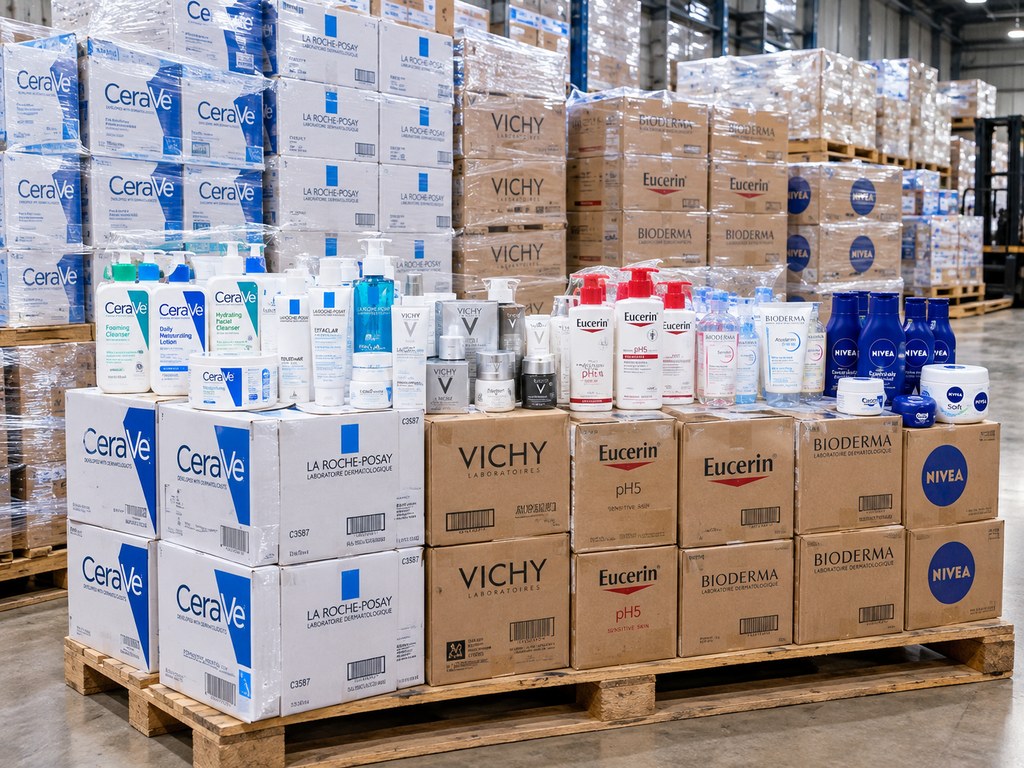
6. How to Choose Reliable Skin Care Suppliers
Choosing a supplier involves more than comparing a product’s advertised price. Buyers should evaluate the supplier’s ability to meet their commercial and compliance requirements.
Verify product authenticity
Request invoices, product documentation, and appropriate evidence of sourcing when necessary. For branded products, verify that the supplier can provide genuine merchandise and any documentation required for the intended sales market.
Avoid purchasing products when the source or authenticity cannot be established.
Review the product catalog
Check whether the supplier offers the products, brands, sizes, and formulations your customers need.
A supplier with a suitable assortment may help simplify purchasing, but buyers should confirm that the specific products they want are actually available.
Confirm minimum order quantities
Minimum order quantities, commonly called MOQs, can vary by product and supplier.
Before placing an order, ask whether the supplier accepts mixed cartons, assorted products, or orders of a specific quantity per SKU.
Compare commercial terms
Request a written quotation showing:
- Product names and sizes.
- Unit and carton prices.
- Minimum order quantities.
- Payment terms.
- Estimated preparation and dispatch time.
- Shipping arrangements.
- Any additional fees.
Written terms help reduce misunderstandings and support accurate cost calculations.
Check product shelf life
Skincare products may have expiration dates, best-before dates, or period-after-opening information, depending on the product and applicable rules.
For bulk purchases, request batch details and remaining shelf life. Make sure you can sell the products before they expire and comply with relevant labeling requirements.
7. Benefits of Buying Skin Care Products in Bulk
Buying skin care products in bulk can offer operational advantages when the order quantity matches actual demand.
Better inventory planning
Businesses with reliable sales data can use bulk orders to maintain sufficient stock of popular products.
However, purchasing too much inventory can tie up cash and increase the risk of unsold or expired merchandise.
Potential wholesale price advantages
Some suppliers offer lower unit prices for larger orders. Buyers should compare the price per unit across different quantity levels rather than assuming that the largest order is always the most economical.
Fewer repeated purchasing cycles
Ordering suitable quantities may reduce the frequency of replenishment orders and simplify procurement planning.
Opportunities for distributor partnerships
Wholesale purchasing can help businesses build a structured product assortment for resale to smaller retailers or other commercial customers.
Before committing to large quantities, consider demand forecasts, storage capacity, cash flow, and the supplier’s replenishment schedule.
8. How to Compare Wholesale Suppliers and Prices
Comparing suppliers is easier when buyers use a consistent purchasing checklist.
| Comparison factor | What to check |
|---|---|
| Product price | Unit price and carton price |
| Minimum order | MOQ per product or total order |
| Authenticity | Sourcing evidence and invoices |
| Shelf life | Batch details and remaining shelf life |
| Shipping | Freight, insurance, and delivery terms |
| Customs | Import duties and destination requirements |
| Packaging | Units per carton and carton dimensions |
| Payment | Deposit, balance, and accepted methods |
| Availability | Current stock and replenishment lead time |
A useful comparison should focus on the total landed cost, not only the quoted product price.
For international orders, total landed cost may include freight, insurance, customs duties, taxes, clearance fees, and local transportation.
Buyers should also consider product damage risks, payment security, and the reliability of delivery arrangements.
9. Storage, Packaging, and Inventory Management
Proper storage helps businesses maintain product quality and organize their inventory.
Skincare products should be stored according to the manufacturer’s instructions. Many products require protection from excessive heat, direct sunlight, moisture, and unsuitable storage conditions.
Organize products by batch
Record product names, quantities, batch numbers, and relevant date information when goods arrive.
This supports inventory tracking and helps businesses identify products that need to be sold or handled first.
Use a first-expiry, first-out system
Where expiration dates apply, a first-expiry, first-out approach helps ensure that products with earlier expiration dates are dispatched before newer stock.
Inspect incoming shipments
Check cartons for visible damage, leakage, missing units, or discrepancies between the purchase order and the delivered quantity.
Photograph any damage and notify the supplier or carrier promptly, following the agreed claims procedure.
Plan warehouse capacity
Bulk personal care products require suitable storage space. Buyers should consider carton dimensions, pallet requirements, handling equipment, and temperature conditions before arranging large shipments.
Good inventory management can reduce waste and make replenishment more predictable.
10. How to Build a Profitable Personal Care Product Range
A well-planned product assortment should reflect customer needs, available capital, and the business’s distribution strategy.
Start with core products
Choose a selection of everyday products such as cleansers, moisturizers, body lotions, and personal hygiene essentials.
Core products can provide a foundation for a broader assortment, depending on customer demand.
Add complementary products
Consider adding related categories such as haircare, body care, and grooming products to serve customers who prefer to purchase several personal care items from one store.
Review sales performance
Track sales by product, brand, price range, and customer group. Use this information to identify products that need replenishment and products that may be tying up too much inventory.
Maintain a balanced purchasing strategy
Avoid concentrating too much capital in a single product unless demand and supply conditions justify it.
A balanced assortment can help businesses respond to changing customer preferences while managing inventory risk.
11. Why Choose Sincare Cosmetics Products B.V.?
When evaluating Sincare Cosmetics Products B.V. as a potential business partner, buyers should focus on whether the company’s available products and commercial terms match their requirements for wholesale skin care products and personal care merchandise.
Businesses sourcing through a wholesale supplier should consider the following points when assessing a potential partnership.
Explore available product categories
Review the company’s website and product catalog to identify skincare, haircare, and beauty products relevant to your business.
Start here: Sincare Cosmetics Products B.V.
Request a tailored quotation
Ask for a quotation that clearly identifies the products, quantities, unit prices, carton details, and applicable commercial terms.
A detailed quotation can help you compare the offer with other suppliers and calculate your expected landed cost.
Confirm product availability
Before making payment, confirm stock availability, product sizes, batch information, and the expected dispatch schedule.
If you need a large quantity of a particular item, ask whether the supplier can fulfill the full order or whether partial deliveries may be necessary.
Discuss shipping and documentation
International buyers should confirm shipping arrangements, export documentation, customs responsibilities, and destination-market requirements before finalizing an order.
Build a practical purchasing relationship
A successful wholesale relationship depends on clear communication, accurate product information, agreed commercial terms, and effective order management.
By reviewing these factors, businesses can determine whether Sincare Cosmetics Products B.V. is a suitable supplier for their wholesale skincare and personal care purchasing needs.
12. Ten Product and Brand Links
Explore the following product and brand pages on the Sincare Cosmetics Products B.V. website. These links cover skincare-related and complementary personal care categories. Product availability and wholesale terms should be confirmed directly.
- Neutrogena Wholesale Distributor
- Benefit Cosmetics Wholesale Products
- Moroccanoil Wholesale Distributor
- TIGI Shampoo Wholesale
- Head & Shoulders Bulk Wholesale Distributor
- Kérastase Haircare Wholesale
- Redken Wholesale Products
- L’Oréal Haircare Wholesale Distributors
- Schwarzkopf Wholesale Distributor
- Sincare Cosmetics Products B.V. Homepage
These links provide access to the company’s listed brand and product pages. Some are haircare or broader beauty products rather than dedicated facial skincare items, so confirm that each page matches your intended product category.
13. Frequently Asked Questions About Skin Care Suppliers
1. What are skin care suppliers?
Skin care suppliers are businesses that provide skincare products to retailers, wholesalers, distributors, salons, pharmacies, and other commercial buyers. They may supply products in individual units, cartons, or larger wholesale quantities.
2. How do I find reliable skin care suppliers?
Look for suppliers that can provide clear product information, verifiable sourcing, written quotations, suitable minimum order quantities, and transparent shipping terms. Check product authenticity and confirm that the products meet the regulations of your target market.
3. What are wholesale skin care products?
Wholesale skin care products are skincare items purchased in commercial quantities for resale or distribution. They may include cleansers, moisturizers, serums, face masks, body lotions, and other skincare products.
4. Can I buy skin care products in bulk?
Yes. Many suppliers offer bulk purchasing options, although minimum order quantities and available products vary. Before placing a large order, compare prices, check shelf life, and calculate shipping and storage costs.
5. What are bulk personal care items?
Bulk personal care items are products purchased in larger quantities for resale or business use. They may include skincare, body care, haircare, soaps, deodorants, and other everyday personal care products.
6. What is the difference between a wholesaler and a distributor?
A wholesaler generally sells products in commercial quantities to businesses. A distributor may manage a broader supply relationship, including supplying retailers, handling regional distribution, or coordinating product availability. Actual business models vary.
7. How can I compare wholesale personal care products suppliers?
Compare product prices, minimum order quantities, product authenticity, availability, shelf life, shipping charges, payment terms, and documentation. Calculate the total landed cost to understand the full expense of purchasing and receiving the goods.
8. What should I check before buying wholesale skincare?
Check the product name, formulation, size, packaging, batch details, remaining shelf life, authenticity documentation, and destination-market compliance. Confirm the order quantity, price, payment terms, and delivery arrangements in writing.
9. Can small businesses buy from personal care wholesale distributors?
Some wholesalers and distributors accept orders from small businesses, while others require minimum order values or larger quantities. Ask about minimum order requirements and whether mixed-product orders are available.
10. Why should I consider Sincare Cosmetics Products B.V.?
Businesses can review Sincare Cosmetics Products B.V.’s available product pages and request information about product availability, pricing, quantities, and shipping terms. Buyers should verify that the company’s offering meets their sourcing needs before placing an order.
11. Are wholesale skincare products cheaper than retail products?
Wholesale products may have lower unit prices than retail purchases, particularly when bought in larger quantities. However, the final cost depends on the supplier’s pricing, order size, shipping, taxes, and other expenses.
12. How should bulk skincare products be stored?
Follow the manufacturer’s storage instructions. Protect products from unsuitable temperatures, direct sunlight, and moisture, and maintain an inventory system that tracks batches and expiration dates where applicable.
13. Can I import wholesale personal care products internationally?
International importing may be possible, but requirements depend on the products and destination country. Buyers should verify import rules, product registration or notification requirements, labeling, customs duties, and other applicable regulations before shipping.
14. What information should I include when requesting a wholesale quotation?
Include the product names, brands, sizes, quantities, destination country, preferred delivery method, and any documentation requirements. Ask for unit prices, carton quantities, minimum order requirements, and estimated lead times.
15. How can I manage inventory when buying in bulk?
Use sales forecasts, track stock by product and batch, monitor remaining shelf life, and set replenishment levels based on demand. Avoid ordering quantities that exceed your sales capacity or available storage space.
Conclusion: Finding the Right Skin Care Suppliers for Your Business
Choosing suitable skin care suppliers is an important part of building a reliable skincare and personal care business. Wholesale purchasing can help retailers, online sellers, and distributors organize their inventory, expand product selection, and potentially benefit from commercial pricing.
Before purchasing wholesale skin care products or bulk personal care items, evaluate product authenticity, minimum order quantities, pricing, shelf life, shipping arrangements, and regulatory requirements.
Sincare Cosmetics Products B.V. is a potential sourcing option for businesses exploring wholesale beauty and personal care products. Review the available product pages, request a detailed quotation, and confirm all commercial terms before placing an order.
With careful supplier evaluation, realistic inventory planning, and a clear understanding of customer demand, businesses can build a personal care product range that supports their long-term commercial goals.